Symphony of Dopamine Neurons: The Art and Architecture of Neural Communication
Artist: Elizabeth Mackie, Professor, The College of New Jersey
Researcher: Mahalakshmi Somayaji, Scientist, Division of Pulmonology and Sleep Medicine at Children's Hospital of Philadelphia
Science subject: Neuroscience

Symphony of Dopamine Neurons: The Art and Architecture of Neural Communication
Material: Handmade Abaca Paper
Site-Specific Sculpture and Sound Environment
2026
Symphony of Dopamine Neurons: The Art and Architecture of Neural Communication is a collaborative sculpture created by artist Elizabeth Mackie and scientist Mahalakshmi Somayaji, featuring immersive sound design by Kaitlyn Paston. The artwork invites visitors into the microscopic world of the brain, where electrical and chemical signals shape how we move, learn, feel, and experience the world around us.
At the center of the installation are dopaminergic neurons, specialized brain cells that produce dopamine and play important roles in movement, motivation, reward, and learning. Inspired by the research of Dr. Mahalakshmi Somayaji, Prof. Elizabeth Mackie translates the intricate architecture of these neurons into large, handmade sheets of Abaca paper. Delicate, branching forms stretch across the installation, echoing the complex networks through which neurons connect and communicate.
As signals travel through the brain, neurons communicate across tiny junctions called synapses, releasing chemical messengers that carry information from one cell to the next. Through light and sound, the installation transforms this otherwise invisible process into a sensory experience, allowing visitors to see and hear a representation of neural communication as it unfolds.
The result is both a visual interpretation of microscopic neuroscience and a reflection on the extraordinary biological activity taking place within us every moment. What is normally hidden inside the brain becomes tangible: an intricate, constantly active network that helps shape thought, movement, memory, emotion, and experience.
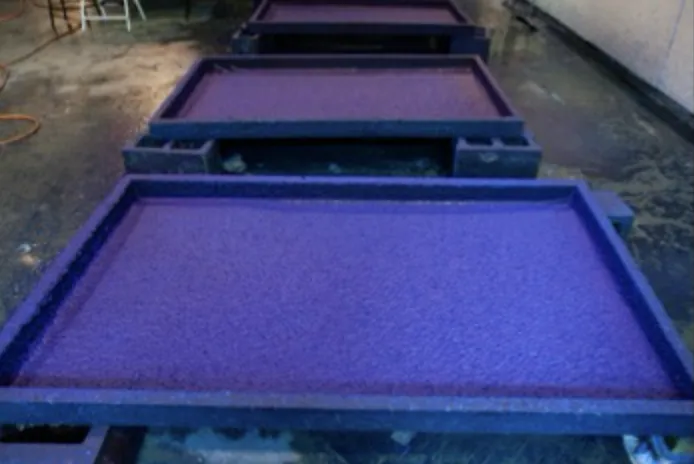
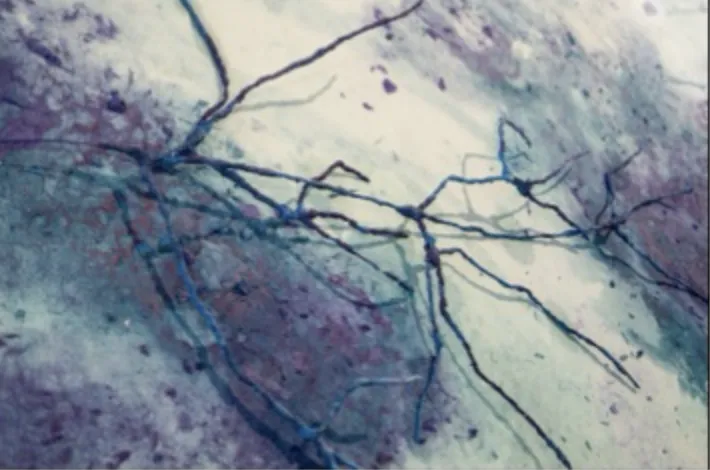

Maha and Elizabeth’s collaboration brings together the precision of neuroscience and the tactile possibilities of art. Maha contributes the scientific foundation, sharing her research on the anatomy of dopaminergic neurons, synaptic signaling, and the electrical activity that allows neurons to communicate. Elizabeth translates those microscopic processes into physical form through handmade paper, light, and sound.
Through ongoing conversation, hands-on prototyping, and creative exchange, they have worked to ensure that each element remains grounded in the science while also creating an experience that feels intuitive and engaging. Together, they are transforming complex neural communication into a sensory narrative that allows visitors to see, hear, and experience the dynamic activity of dopamine neurons in a new way.
Sound Designer: Kaitlyn Paston
Exhibition production supported by student assistants Suzie Divirgilio and Pepper Rodriguez-Hernandez from The College of New Jersey’s MUSE program.

Artist: Elizabeth Mackie
Elizabeth Mackie is an interdisciplinary artist and professor whose work explores the relationship between humans and the natural world through the lens of environmental change. Centering on water as both subject and material, her installations address issues such as glacier loss, pollution, and ecological regeneration.
Combining handmade paper, video, sound, and sculpture, she creates immersive works that foster awareness and dialogue about our shared environment.

Researcher: Mahalakshmi Somayaji
Mahalakshmi (Maha) Somayaji is a Biochemist and neuroscientist exploring neuronal signatures from molecular pathways to network dynamics, currently focused on pediatric obstructive sleep apnea (OSA) diagnosis and management.
She is passionate about advancing sleep research to improve neurodevelopmental outcomes in children.